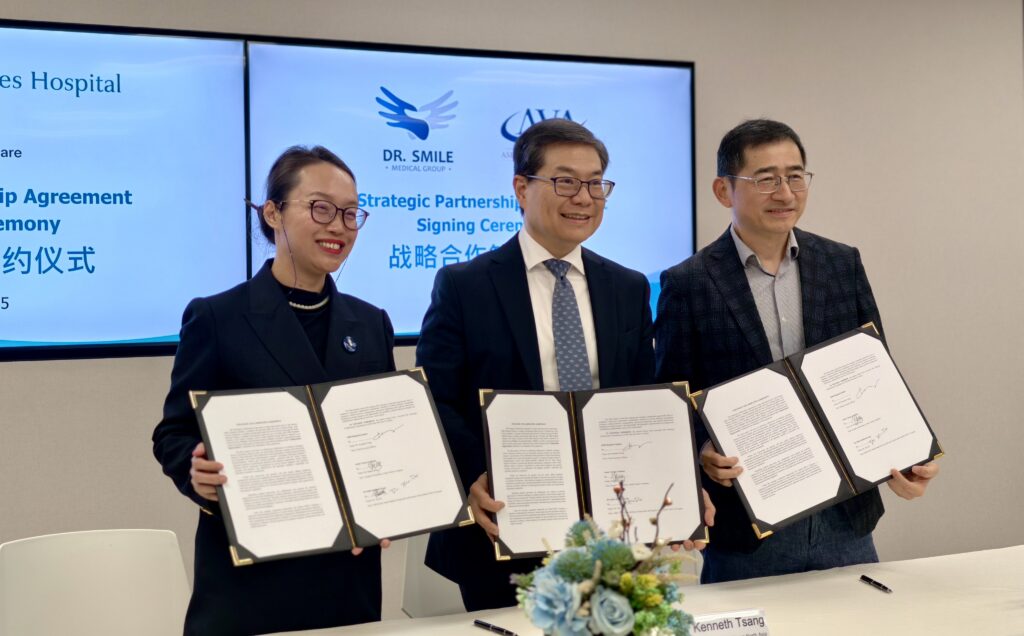
Recent developments in Hong Kong suggest that venous medicine in Asia is entering a new phase of system-oriented collaboration. A strategic cooperation agreement signed by Gleneagles Hospital Hong Kong, the Asian Venous Academy (AVA), and Dr. Smile Medical Group reflects a broader move beyond isolated clinical excellence toward integrated frameworks that link research, education, management, and innovation in phlebology.
Rather than focusing solely on procedural techniques or single-center expertise, the partnership emphasizes the construction of reproducible academic and clinical systems—an approach increasingly viewed as essential for addressing the growing prevalence and long-term management challenges of venous diseases across Asia.
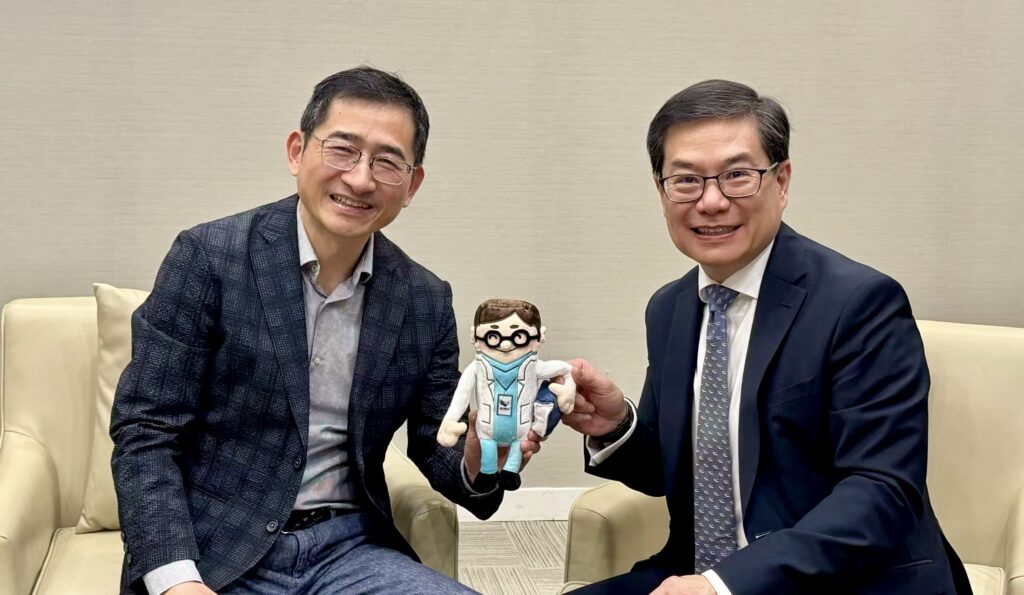
From Individual Experience to Structured Knowledge Exchange
At the core of the agreement is a commitment to evidence-based medicine combined with venous hemodynamic research. Planned collaborations include joint academic forums, shared case-based discussions, physician training, and structured clinical observation programs. These initiatives aim to transform accumulated clinical experience into transferable knowledge, supporting greater consistency in diagnosis, treatment planning, and follow-up care.
By integrating Gleneagles Hospital Hong Kong’s multidisciplinary clinical and teaching environment with AVA’s academic coordination capacity and Dr. Smile Medical Group’s long-term engagement in venous disease practice, the collaboration seeks to establish mechanisms that are not only effective but also scalable and sustainable.
Addressing the Often-Neglected Dimensions: Management and Leadership
Notably, the cooperation extends beyond traditional academic and clinical boundaries. Healthcare management and physician leadership development are explicitly included as areas of joint exploration. Participants will examine topics such as discipline construction, clinical pathway design, multidisciplinary team (MDT) operation, and the evolving professional roles of physicians within complex healthcare systems.
This emphasis reflects a growing recognition within the phlebology community that long-term discipline development depends not only on technical skill, but also on organizational capability, governance structures, and leadership competence.
Artificial Intelligence as an Enabler, Not a Replacement
Medical innovation—particularly the role of artificial intelligence—forms another pillar of the collaboration. Discussions will focus on how AI can be applied to medical education, clinical decision support, and workflow optimization in venous care.
Importantly, the partners frame AI as an assistive tool designed to enhance understanding, standardization, and teaching efficiency, rather than as a substitute for clinical reasoning. This cautious and reflective positioning aligns with ongoing international debates on the appropriate integration of AI into clinical medicine.
Hong Kong’s Strategic Position in Regional Knowledge Integration
The choice of Hong Kong as the base for this collaboration is significant. As a private multidisciplinary teaching hospital with longstanding academic ties to The University of Hong Kong, Gleneagles Hospital Hong Kong operates at the intersection of international clinical standards, Asian patient populations, and cross-border professional exchange.
Within this context, Hong Kong functions as both a testing ground and a connector—linking local clinical realities with regional needs and global academic discourse.
Methodological Perspectives: The Inclusion of the Global CHIVA Program
Within the cooperative framework, the Global CHIVA Program has been introduced as a methodological reference for research and education. Rooted in venous hemodynamics and long-term disease management, the program emphasizes individualized treatment strategies and structured clinical reasoning.
Its inclusion highlights an interest in methodological coherence and long-term outcome orientation, rather than short-term procedural outcomes alone.
Implications for the Future of Phlebology in Asia
From an external academic perspective, this tripartite cooperation illustrates a broader shift in Asian phlebology: from fragmented expertise toward integrated systems that connect clinical practice, education, management, and innovation.
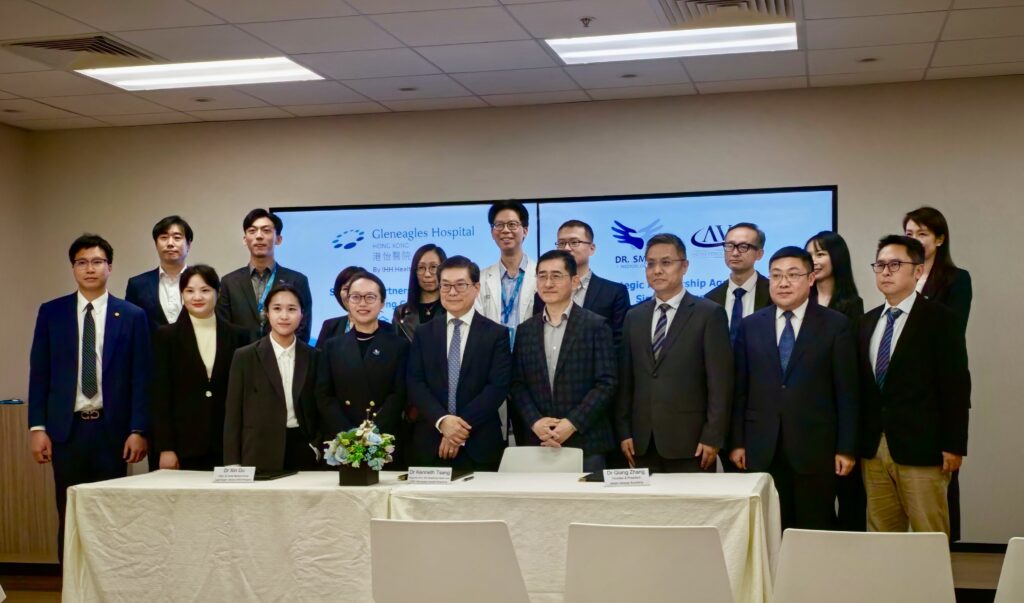
As collaborative activities gradually expand across the region, the initiative may contribute to the emergence of a more interconnected and internationally aligned ecosystem for venous medicine—one that balances scientific rigor, organizational structure, and regional collaboration.