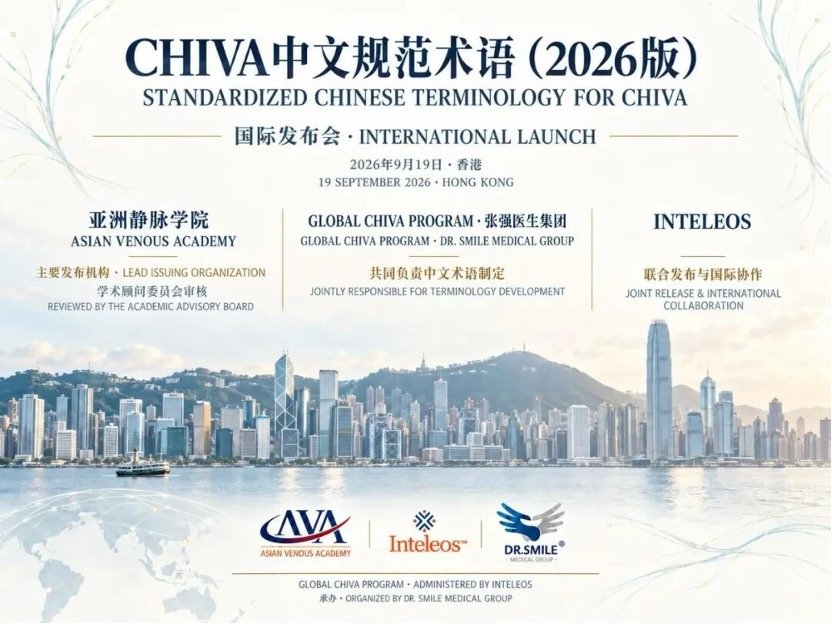
As the global vascular community continues to refine patient-specific, organ-preserving therapeutic strategies, the formal standardization of clinical nomenclature has emerged as a critical milestone. The Global Academic and Innovation Platform (GAIP) takes note of an upcoming development in the field of venous disease management: the official launch of the Standardized Chinese Terminology for CHIVA (2026 Edition), scheduled to take place on September 19, 2026, in Hong Kong, China.
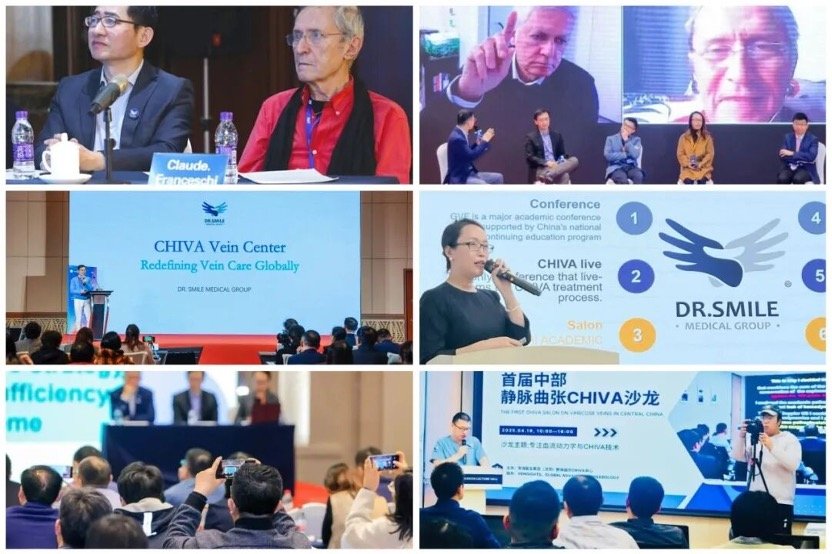
Bridging Hemodynamic Science and Clinical Practice
The CHIVA (Conservative and Haemodynamic Cure of Venous Insufficiency in Ambulatory Surgery) method relies heavily on pre-procedural hemodynamic mapping, identifying pressure sources, escape points (EP), re-entry points (RP), and individualized shunting pathways rather than relying on traditional, destructive vein ablation.
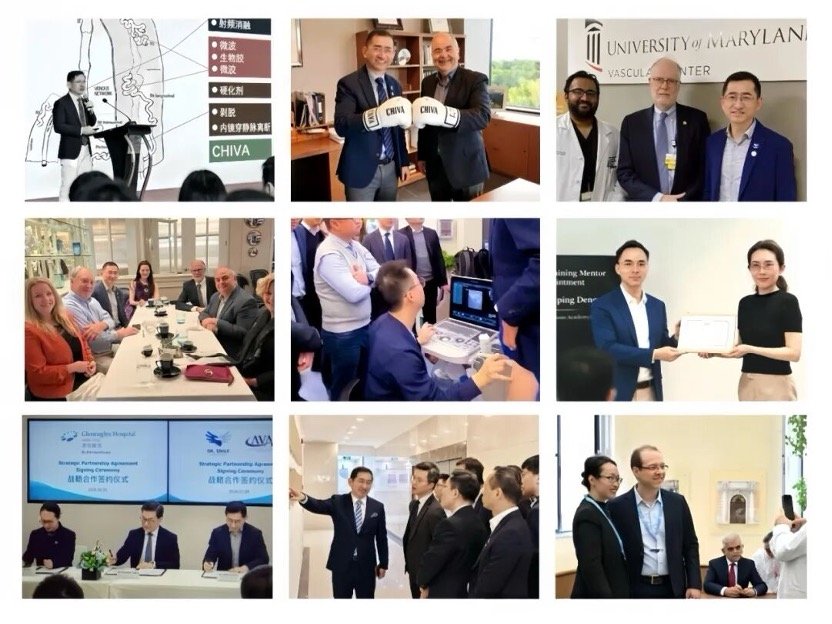
However, as adoption has expanded across Chinese-speaking medical communities, practitioners have frequently encountered linguistic and conceptual barriers. Literal translations of core terms—such as distinguishing between pathological Reflux and functional Deflux, or interpreting RP strictly as a hemodynamic node rather than a standard anatomical perforator—have occasionally risked misinterpretation.
To address these challenges, the Standardized Chinese Terminology for CHIVA (2026 Edition) was developed to establish a rigorous, unified professional vocabulary.
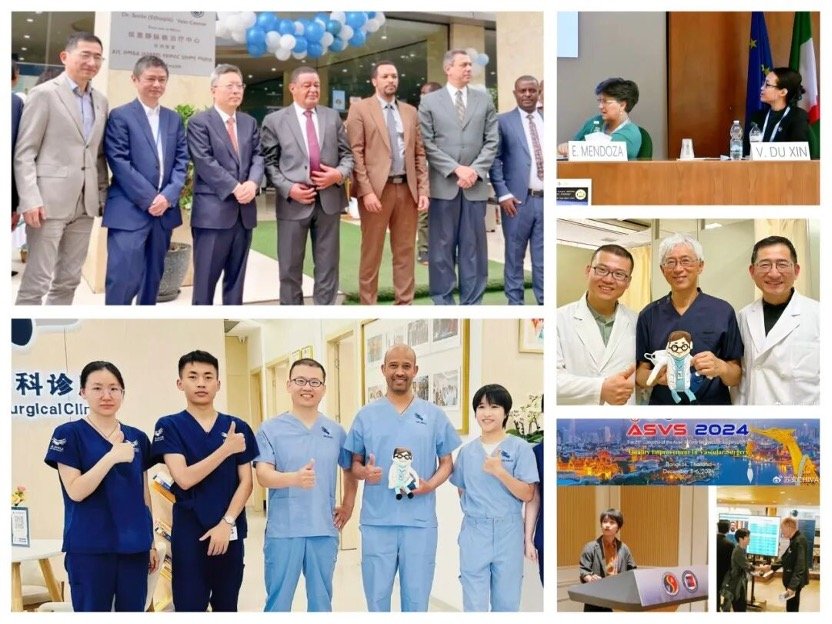
Collaborative Institutional Framework
This standardization initiative is led by major regional and international organizations:
- Lead Issuing Organization: Asian Venous Academy (AVA)
- Joint Responsibility for Terminology Development: Global CHIVA Program and Dr. Smile Medical Group
- Joint Release & International Collaboration: Inteleos
- Academic Review: Conducted under the oversight of the Asian Venous Academy Academic Advisory Board, with reviews involving CHIVA founder Professor Claude Franceschi and international experts.

Strategic Implications for Education and Global Integration
From an objective academic perspective, the establishment of this terminology framework addresses three operational layers:
- Clinical Precision: Eliminates ambiguities during multidisciplinary case discussions, ensuring that clinicians share an identical hemodynamic coordinate system.
- Standardized Education: Supports structured training pathways—specifically aligning with Tier 1 foundational cognitive frameworks—to lower the learning curve and prevent the dilution of CHIVA into a mere procedural prefix.
- International Interoperability: Creates a stable translational bridge that enables Chinese-speaking clinicians to participate seamlessly in global research, comparative studies, and international academic discourse.
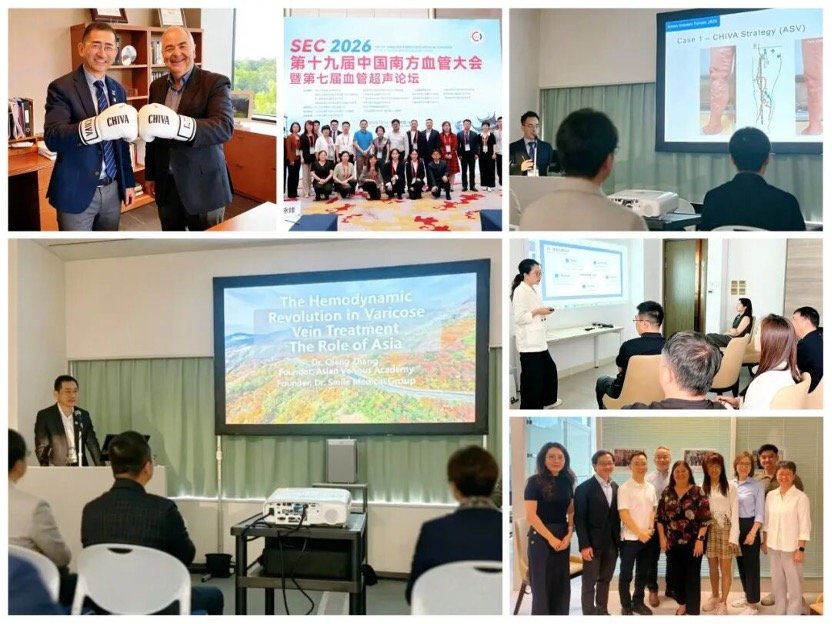
GAIP views this release as a foundational step for the sustainable legacy and scientific dissemination of hemodynamic-driven venous care, setting a benchmark for how specialized therapeutic frameworks adapt and standardize across linguistic regions globally.