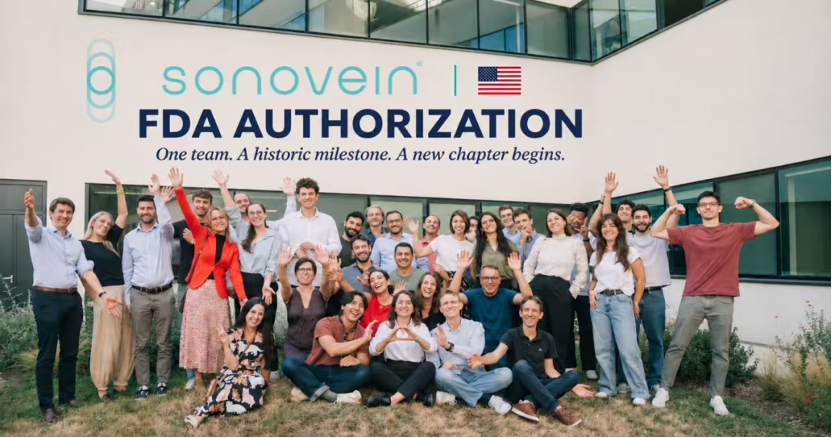
French medical technology company Theraclion announced on November 5 that its Sonovein® system has received De Novo marketing authorization from the U.S. Food and Drug Administration (FDA), marking an important milestone in the development of non-invasive venous treatment.
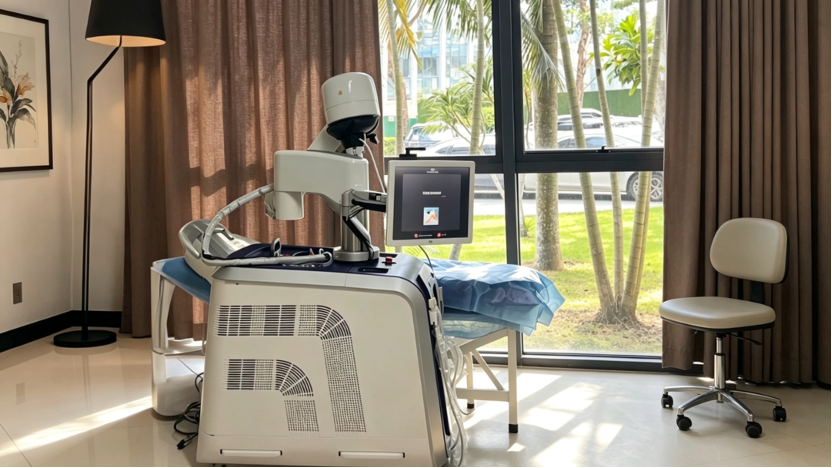
Sonovein uses high-intensity focused ultrasound (HIFU) to treat superficial venous reflux without surgical incisions or intravascular catheters. The FDA authorization is supported by the multicenter VEINRESET clinical study, which reported a 96.8% great saphenous vein occlusion rate at 12 months, according to Theraclion.
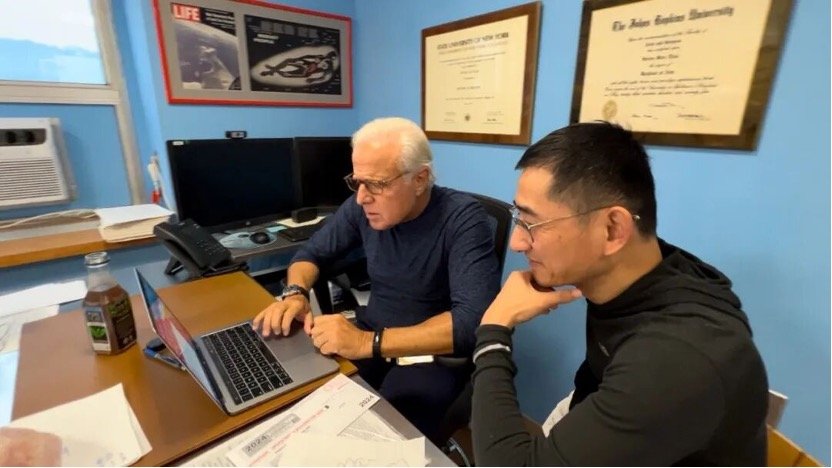
The study’s principal investigator, Dr. Steve Elias, is also a member of the Academic Advisory Board of the Asian Venous Academy (AVA), reflecting the growing international collaboration between clinical researchers and academic institutions in advancing venous medicine.
Beyond the regulatory milestone, the development raises an important clinical question: how might non-invasive HIFU technology complement CHIVA, a hemodynamics-guided approach to the individualized management of chronic venous insufficiency?
Dr. Qiang Zhang, founder of the Asian Venous Academy and Dr. Smile Medical Group, has maintained a longstanding interest in focused ultrasound technology and its potential applications in venous care. His international academic exchanges with Dr. Elias and other specialists have explored opportunities to integrate emerging technologies with hemodynamic assessment and vein-preserving treatment strategies.
Early clinical investigations in Europe have also begun exploring the potential relationship between focused ultrasound interventions and CHIVA-based treatment planning.
Unlike approaches centered primarily on eliminating refluxing veins, CHIVA emphasizes understanding venous hemodynamics and tailoring interventions to individual patients while preserving venous structures where clinically appropriate.
The introduction of new non-invasive technologies could potentially expand the options available to physicians applying these principles, although further clinical research is needed to establish their role in CHIVA-based treatment.
Meanwhile, the Asian Venous Academy continues to advance international CHIVA education, terminology standardization, academic exchange, and multidisciplinary collaboration. Together with Dr. Smile Medical Group, it is also supporting the development of international clinical training and research networks.
Sonovein’s FDA authorization represents more than a regulatory achievement for a single medical device. It highlights a broader direction in venous medicine, where technological innovation, hemodynamic understanding, and individualized treatment strategies may increasingly converge.
For the international venous community, the next step will be to translate these possibilities into robust clinical evidence and practical treatment applications.